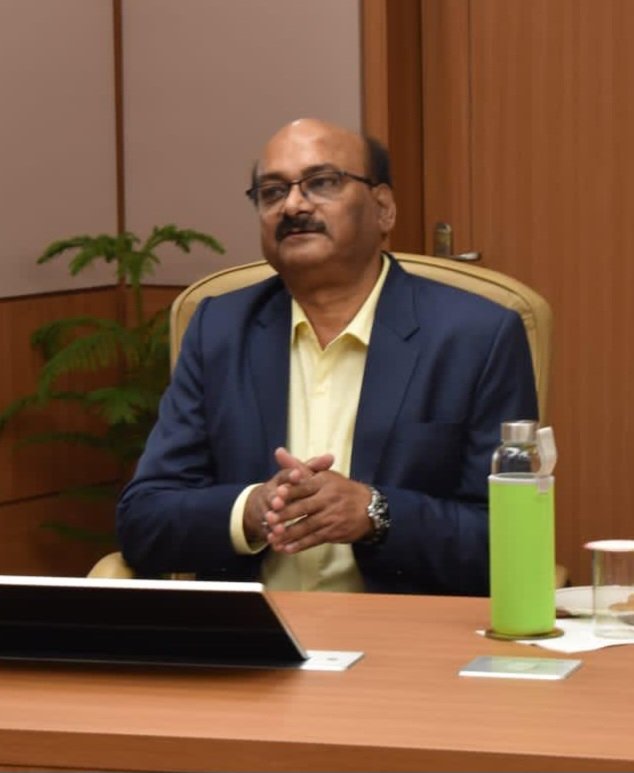
Brijesh C. Srivastava

I am B.C. Srivastava, a Graduate and Post Graduate in Civil Engineering possessing B.E. and M.E. degrees from IIT Roorkee. Having started my career as Assistant Engineer with The National Industrial Development Corporation Limited (NIDC), a Government of India Enterprise under the Ministry of Industry, I served there for more than three years before joining RITES Limited in August 1991. RITES, a Government of India Enterprise under the Ministry of Railways, has since been my professional home for over 28 years. During this journey, I received several promotions and grew to the position of a senior-level Project Manager.

Over the course of my career, I have successfully led a wide spectrum of railway and infrastructure projects, including railway sidings, bridges, corridors, workshops, metro structures, station buildings, and depot facilities. My work has involved end-to-end project management—right from feasibility and planning to execution, commissioning, and interfacing with multidisciplinary stakeholders such as Railways, DFC, S&T, OHE, PWD, local bodies, and international consultants wherever required. I have always believed in meticulous planning, proactive risk management, and result-oriented delivery, which has helped in completing complex assignments within challenging timelines.

Known for my calm leadership, technical depth, and hands-on field experience, I have consistently motivated project teams to achieve excellence through coordination, discipline, and accountability. My approach has always been rooted in clarity of purpose, continuous learning, and integrity. I not only focus on infrastructure creation, but also on building capable teams, improving systems, and ensuring that every project contributes to long-term value, safety, and sustainability.

36 Years

Work Experience

Career span

Civil Engeneering Department , UOR (1987- 1998)

Senior Research Fellow

Worked on"Pilot Plant Studies on Low Cost Waste Water Treatment Methods using Aerobic Ponds" from December 1987 to May 1988.

NIDC (1988–1991)

Assistant Engineer (Industrial & Civil Works).

Fibre Optic Project - Main Production Building for HCL, Naini, Stockyard for SAIL, Water Supplu for Ordanance Factory, Bolangir.

RITES Ltd. (1991–2023)

28 years, rising to General Manager, leading railway, metro, and thermal power connectivity projects.

Post-retirement

Chief Resident Engineer for Ahmedabad Metro Phase II (RITES in GC), later with Egis India (Northern Railway GC). Presently Chief Expert, Aarvee Associates (NER).

Dedication

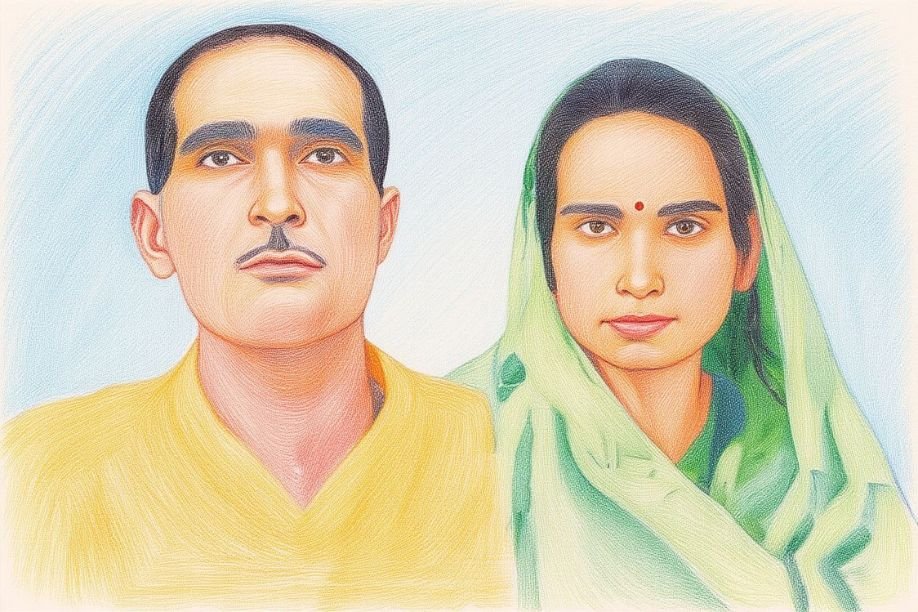
This website is dedicated to my dearest parents — two divine souls whose loving presence I could scarcely remember with my eyes, yet eternally feel with my heart. Though destiny allowed me only fleeting moments in their embrace, their absence has never been empty. It has been filled with their unseen strength, their silent prayers, and the echo of their boundless love.

Time may have stolen their voices and blurred their faces in my memory, but nothing could dim the light they left within me. In every step I take, I feel their invisible hands steadying my stride. In every challenge I overcome, I sense their blessings clearing my path. They have been my unspoken inspiration, my quiet courage, and my eternal source of faith. This humble creation is not just a dedication — it is a bridge across time, a whisper of love that refuses to fade. It is a tribute to the parents who gave me life, nurtured my first breaths, and entrusted me to the world with their hopes shining in my soul. 

Every achievement I claim, every moment of perseverance I live, is but an unfolding of the grace they planted in me. This humble creation is not just a dedication — it is a bridge across time, a whisper of love that refuses to fade. It is a tribute to the parents who gave me life, nurtured my first breaths, and entrusted me to the world with their hopes shining in my soul. Every achievement I claim, every moment of perseverance I live, is but an unfolding of the grace they planted in me.

I offer this work to them with reverence and love — to my guiding stars, my first teachers, my forever guardians. Though I walk the road of life without their physical presence, I walk it in the radiance of their blessings. And in that sacred light, I am never alone.

About my Alma mater

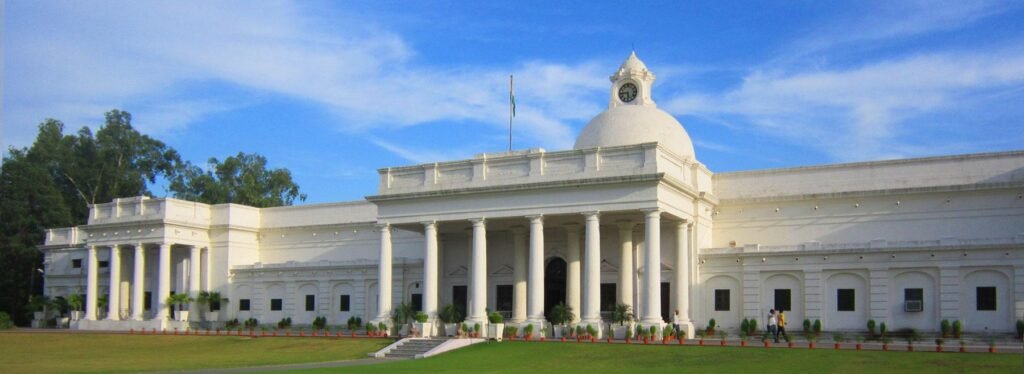
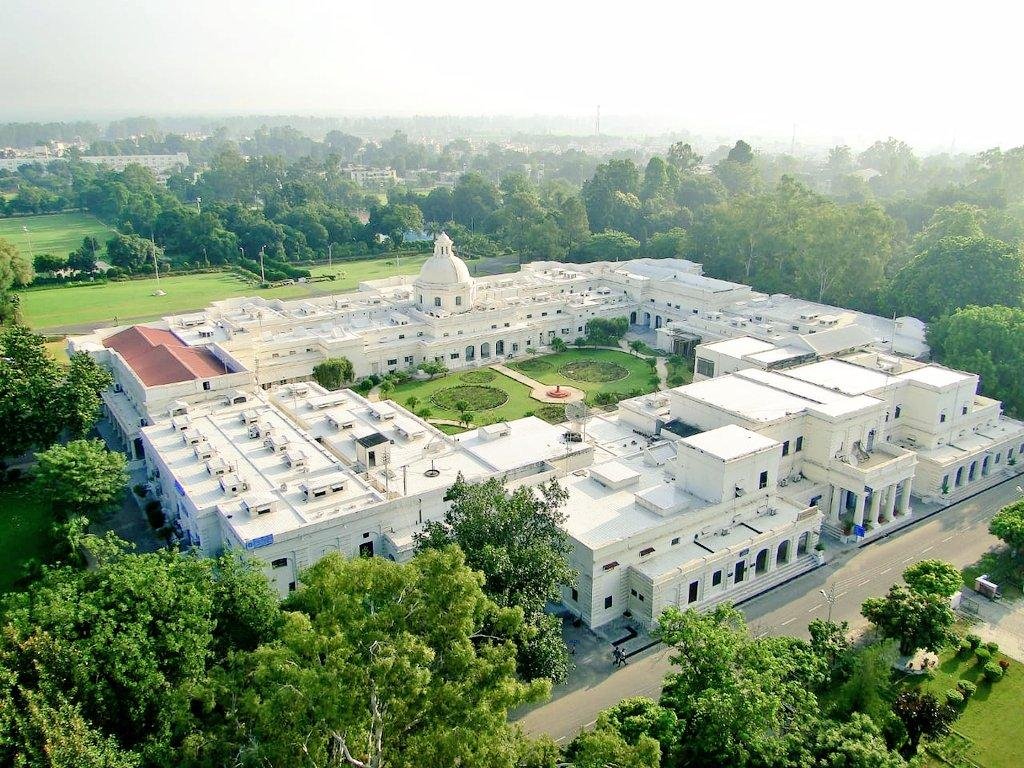
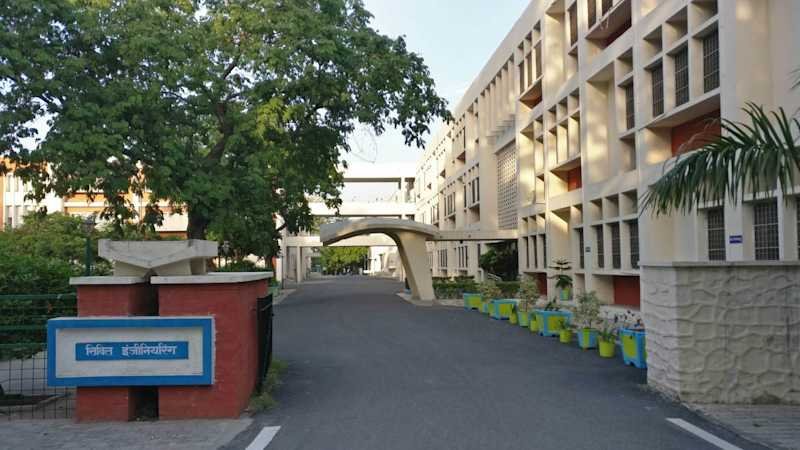
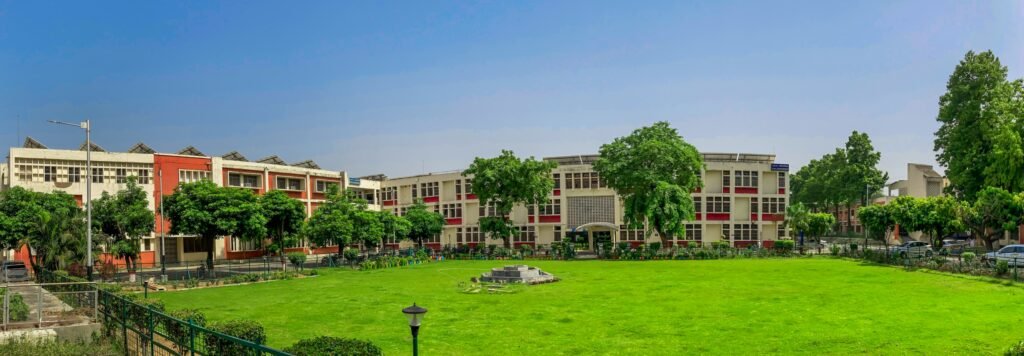
Established in 1847 as the Thomason College of Civil Engineering, IIT Roorkee is the oldest engineering institution in Asia. Founded to train engineers for the historic Ganga Canal project, it became the University of Roorkee in 1949, India’s first engineering university.  With a proud legacy of over 175 years, IIT Roorkee continues to be a cradle of innovation, producing leaders, engineers, and scientists who contribute to national and global progress.

Release of 175 Commemorative Coin by IIT Roorkee

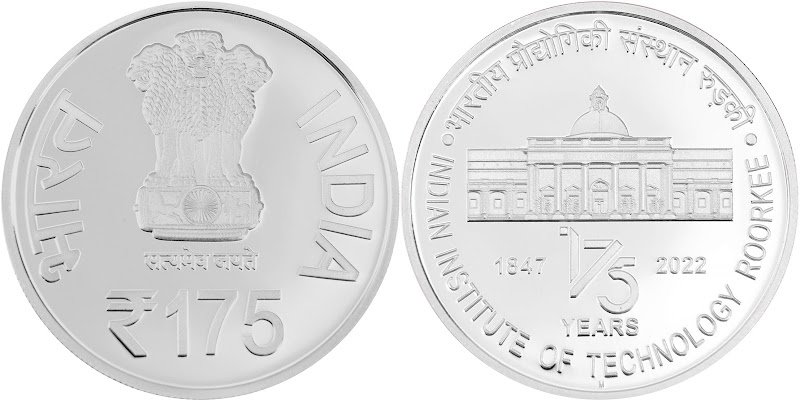
To mark the completion of 175 years of its glorious establishment (1847–2022), the Indian Institute of Technology Roorkee (IIT Roorkee) was honoured with the issue of a 175 commemorative coin by the Government of India, Ministry of Finance. The coin was formally released by Hon’ble Speaker of Lok Sabha, Shri Om Birla, during the institute’s Foundation Day celebration in 2022.

This unique coin, the first Indian coin of 175 denomination, symbolizes IIT Roorkee’s long-standing contribution to technical education and nation-building. Minted by the India Government Mint, Mumbai, it is available in Proof and Uncirculated (UNC) versions, with both folder and wooden box packaging options.

Coin Specifications:

  • Denomination: 175
  • Metal Composition: 50% Silver, 40% Copper, 5% Nickel, 5% Zinc
  • Weight: 35 grams
  • Diameter: 44 mm
  • Shape: Circular, reeded edge (200 serrations)

Design Details:

  • Obverse: The Lion Capital of Ashoka, with inscriptions “भारत INDIA” and “सत्यमेव जयते,” along with the value “175”.
  • Reverse: The iconic James Thomason Building of IIT Roorkee with the bilingual inscriptions “Indian Institute of Technology Roorkee / भारतीय प्रौद्योगिकी संस्थान रुड़की,” and the years “1847–2022” with “175 Years.”

The coin celebrates IIT Roorkee’s transformation from the Thomason College of Civil Engineering (1847) to a premier Institute of National Importance, representing a heritage of excellence in science, engineering, and innovation.


YouTube Channels

The Culminating Years

In the concluding years of my service with RITES, I was stationed at the Headquarters in Gurugram, entrusted with multiple and diverse responsibilities that drew upon the breadth of my professional experience. Among these, the most significant was my role as Coordinator for an international assignment in Bangladesh — “Consultancy Services for Updating of Feasibility Study, Detailed Engineering Design, Mathematical Modelling, Tendering Services and Construction Supervision for the Construction of Dual Gauge Railway Line from Bogura to Shahid M. Mansur Ali Station, Sirajganj, for Bangladesh Railway.”

This prestigious and technically challenging project demanded close coordination, meticulous planning, and cross-border collaboration, offering an enriching exposure to international standards of project management and engineering consultancy.

In addition to this major engagement, I was also responsible for the preparation and submission of Expressions of Interest (EOIs), Requests for Proposals (RFPs), and a variety of other documents related to bidding and business development. My role further extended to coordinating several ongoing projects spread across the country through RITES’ various regional project offices, ensuring consistency, quality, and timely communication among teams.

These final years of my professional journey were both productive and fulfilling, allowing me to contribute meaningfully to the organization’s growth while drawing immense satisfaction from mentoring younger colleagues and witnessing the fruition of long-standing institutional efforts. I look back on this phase with deep contentment and pride, having concluded my career in March 2023 with a sense of purpose, accomplishment, and gratitude.

The Family Tapestry

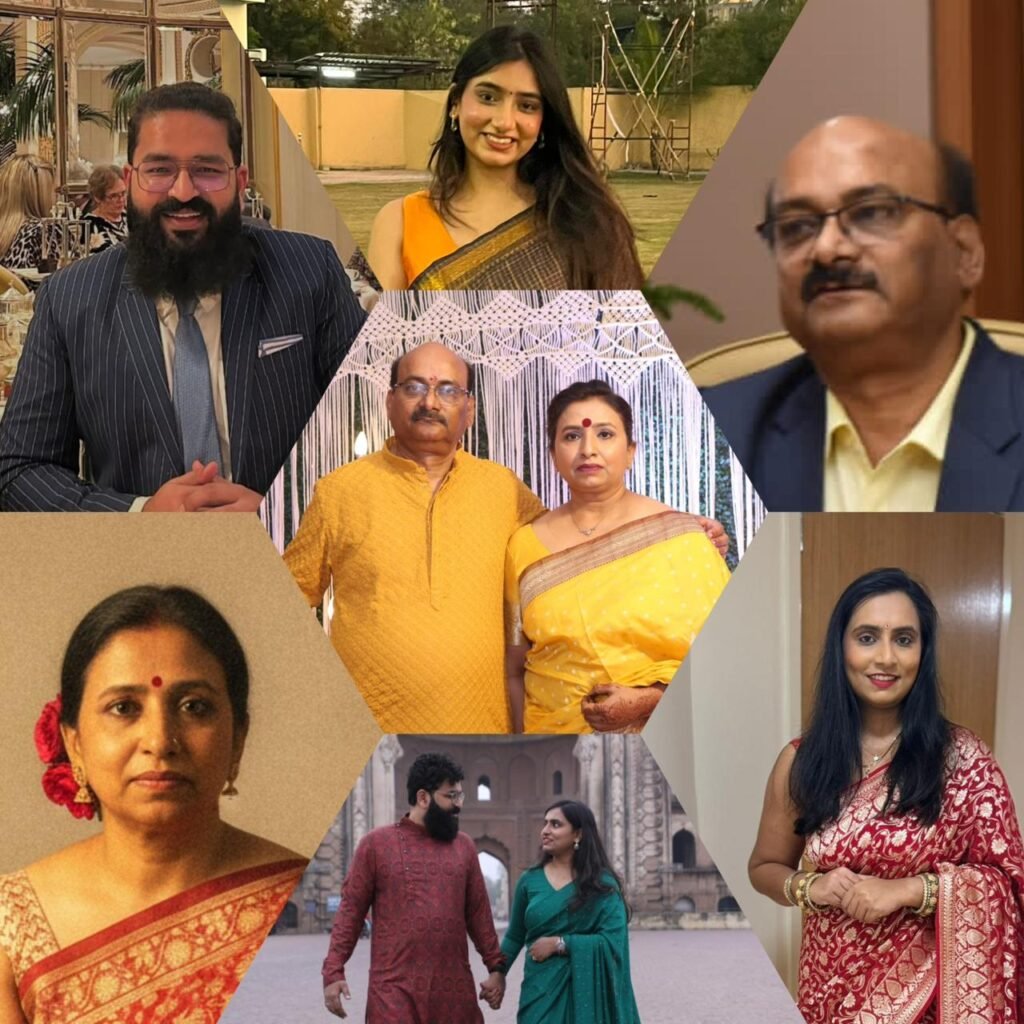
Brijesh and Vibha have nurtured a small, close-knit family that blossoms with love, harmony, and mutual affection. Brijesh, now retired, finds joy in serene and meaningful days beside his devoted wife, Vibha—a gracious homemaker whose gentle care and warmth keep the family beautifully bound together. Their daughters, Ilika and Mihika, stand as pillars of pride and accomplishment—Ilika, a Master’s in Data Science, and Mihika, an MBA—both shaped by the finest of institutions and guided by quiet determination. Devang, our son-in-law, a B.Tech. graduate and a promising IT professional, adds brilliance and charm to this cherished circle. All three—Ilika, Mihika, and Devang—are well-established in their chosen careers, bringing immense happiness and pride to their parents. Together, they share a bond woven with affection, respect, and enduring joy—making their family truly whole and harmonious.


A Family Bright

In hearts entwined, their love does stay,
Through gentle nights and golden day.

Brijesh and Vibha, calm and kind,
Built a home with joy aligned.

Ilika, Mihika — dreams that soar,
Devang adds charm and so much more.

Together they laugh, together they stand,
A family blessed, by heart and hand.

NTPC / UPRVUNL – Meja Thermal Power Plant Railway Siding

To realize the coal transportation backbone for the 1320 MW (2 × 660 MW) Meja Thermal Power Plant in Uttar Pradesh, a Joint Venture Company—Meja Urja Nigam Pvt. Ltd. (MUNPL) was constituted by NTPC and UPRVUNL in equal partnership. Recognizing the unrivalled expertise of RITES in railway and transport infrastructure, MUNPL entrusted it with the end-to-end responsibility for conceiving, designing, and executing the dedicated coal siding project on the Indian Railways network.

The scope conferred upon RITES was both comprehensive and multi-dimensional: preparation of the Detailed Project Report (DPR) and Engineering Services Plan (ESP), detailed engineering of track and structures, procurement assistance, tender packaging, bid finalisation, contract awards, and complete Project Management Consultancy (PMC) for construction. The Regional Project Office of RITES at Lucknow helmed this undertaking, with all designs—structural and systemic—executed indigenously by RITES’ in-house specialists.

Field execution commenced in November 2013, beginning with the formation and bridge works package within the thermal plant premises. Over time, the project expanded into a formidable programme of railway infrastructure—spanning earthworks, bridges, embankments, track layouts, signalling  and telecommunication provisions, and electrification interfaces—culminating in one of the most sophisticated coal logistics systems in the region.

A landmark milestone was achieved in December 2018, when the first loaded coal rake movement into the plant was commissioned, signifying the operationalisation of a project of immense strategic importance. The works, estimated at a sanctioned cost of 853 crore, are today nearing full completion, with all major structures constructed and final stages of siding closure underway.

This project not only exemplifies the engineering acumen and managerial prowess of RITES, but also underscores its ability to integrate multidisciplinary expertise—civil, structural, geotechnical, and railway operations—into a seamless whole. By bridging the interface between Indian Railways, DFC, statutory bodies, and the client utility, the Meja siding stands as a model of complex infrastructural delivery, ensuring uninterrupted fuel supply to a thermal powerhouse of national significance.

Pipe Pushing Through Tracks

As part of the make-up and ash water recirculation system of the Meja Thermal Power Plant, MUNPL required pipelines to convey water from the intake at the river Ganges, situated nearly 22 km from the plant. The alignment mandated a critical crossing of the Howrah–New Delhi main line of Indian Railways at Km 785/25–27, together with the proposed tracks of the Dedicated Freight Corridor (DFC).

For this crossing, the pipe pushing technique was adopted—a method that allowed pipelines to be driven beneath live railway tracks without disruption to operations. Although not part of the main railway siding works, MUNPL entrusted RITES under separate contracts with the DPR preparation, detailed engineering, and Project Management Consultancy for the execution of this assignment.

The scheme involved the insertion of two mild steel (MS) casing pipes of 1200 mm diameter each, positioned at a depth of 3.5 m below rail level. Approvals of the General Arrangement Drawing (GAD) from both NCR and DFC were obtained after multiple site inspections and consultations. The operation itself was carried out strictly in accordance with RDSO guidelines BS-105 on pipeline crossings under railway tracks.

Execution commenced with the construction of a thrust pit, from which the pipes were advanced. Two hydraulic jacks per pipe were employed to incrementally push the sections forward, with painstaking attention to alignment control and the stability of the embankment soils, thereby averting any risk of track settlement or failure.

To ensure durability and long service life, cathodic protection was provided. A sacrificial magnesium anode system safeguarded the external surfaces of the pipes against corrosion. Further, radiographic testing of every joint was performed to eliminate deficiencies and validate the integrity of the installation.

RITES not only managed the engineering but also undertook the tendering and contract finalisation, with execution awarded to M/s Creative Entrepreneurs LLP, New Delhi. The work was successfully completed in August 2018, at a completion cost of 98.32 lakh, exemplifying the effective application of trenchless construction techniques in a congested, operational railway environment.

UPRVUNL – Harduaganj Thermal Power Station

At the Harduaganj Thermal Power Station of Uttar Pradesh Rajya Vidyut Utpadan Nigam Ltd. (UPRVUNL), I served as Project Coordinator under the Project Management Consultancy (PMC) services entrusted to RITES for the augmentation of rail infrastructure facilities.

My remit extended across the entire project lifecycle—from the preparation of detailed estimates and the floating and finalisation of tenders, to the construction project management of diverse works. These included earthwork in formation, execution of minor bridges, laying and linking of new track alignments, and complete track renewal of existing lines, all executed to meet the operational demands of the power station’s coal logistics.

The assignment demanded not merely technical direction but also scrupulous cost governance, quality assurance, and meticulous scheduling, together with effective coordination with railway authorities and contractors. By integrating these multiple dimensions, the project was successfully steered towards completion in accordance with the highest standards of safety, reliability, and efficiency.

The Harduaganj PMC engagement stands as a testament to my ability to synthesize engineering expertise with project governance, ensuring the timely augmentation of rail infrastructure critical to power generation facilities.

Railway Siding Projects for BPCL and BORL, BINA (Madhya Pradesh)

At Bina, Madhya Pradesh, I had the distinction of serving as Project Coordinator under RITES’ Project Management Consultancy services for two prestigious assignments of national importance: the railway siding for Bharat Petroleum Corporation Ltd. (BPCL) at their dispatch terminal, and the railway siding for Bharat Oman Refineries Ltd. (BORL) at their refinery and captive power plant.

For the BPCL siding, my responsibilities spanned the preparation of estimates, tendering, and contract finalisation, followed by comprehensive construction project management. The works encompassed 9 lakh cubic metres of earthwork in embankments and high banks, approximately 12 km of track laying and linking, 8 minor bridges, and 3 road underbridges, together with coordination for OHE and S&T interfaces.

The BORL siding was of comparable magnitude and significance. Here, the scope comprised 13 lakh cubic metres of earthwork in embankment and high bank, around 5 km of track laying and linking, and 4 minor bridges, in addition to close coordination for OHE and S&T works. As with BPCL, my role extended from costing and tendering through to execution oversight and quality governance.

Both clients—BPCL and BORL—pursued the works with remarkable rigour and close monitoring. To meet their expectations, I introduced several system improvements, including stricter adherence to quality standards, refined documentation protocols, and enhanced site record-keeping. Progress review meetings were held regularly, and corrective measures were implemented swiftly through continuous contractor engagement.

A particular innovation that earned appreciation from both clients was the adoption of an S-curve methodology as a monitoring tool. By graphically comparing planned versus achieved progress, the approach offered a transparent, analytical, and highly effective means of project control, enabling timely interventions and ensuring alignment with delivery targets.

The Bina sidings for BPCL and BORL thus exemplify my ability to manage large-scale earthwork, complex railway interfacing, and multi-agency coordination, while simultaneously introducing systemic improvements and advanced monitoring tools that elevated the overall standard of project execution.

Diversion of MGR for NTPC Kahalgaon Super Thermal Power Plant

The Merry-Go-Round (MGR) railway system at NTPC Kahalgaon, conceived to transport coal from the Lalmatia mines to the plant, was originally a single-line alignment with loading and unloading bulbs at either end. Although provision had been made for doubling on the western side, the system was recurrently imperilled by severe floods—notably in 1993, 1995, and 1999—which repeatedly devastated the stretch between km 4.50 and km 10.50, causing prolonged suspensions of coal movement and crippling plant operations.

To address this vulnerability, NTPC engaged RITES to conduct a flood mitigation study, which culminated in a report (May 2001) recommending the provision of 500 m of additional waterway openings in the critical stretch, together with a 1.0 m raising of formation levels at the lowest reaches. Subsequent deliberations led NTPC to adopt a more robust measure: the creation of a new diversion line across the affected zone, enabling traffic to be routed via the diversion while the existing track was raised and additional waterways inserted. The diversion itself was planned with provision for future doubling, thereby harmonising immediate flood resilience with long-term capacity augmentation.

In December 2004, NTPC formally entrusted to RITES the Project Management and Execution Consultancy for the work titled “Construction and Construction Supervision for Diversion and Re-grading of the Flood-Affected Portion (km 4.50 to km 10.50) of MGR System for Kahalgaon STPP, Stage-II (3×500 MW).” While DPR and detailed engineering had been prepared through another agency, all technical data were handed to RITES for integration into project execution.

I was associated with this project from its inception and served as in-charge of the entire programme, overseeing all three geographically distributed packages along the km 4.50–10.50 stretch. My remit encompassed the preparation of tender documents, floating and finalisation of tenders, and comprehensive supervision of execution.

The project demanded not only technical governance and construction oversight, but also strategic management of flood-prone conditions, integration of waterways, and coordination with multiple stakeholders, ensuring that the diversion delivered both immediate relief and enduring resilience to NTPC’s critical coal transport artery.

The Kahalgaon MGR Diversion remains a distinguished example of RITES’ capacity—and my own stewardship—in reconciling civil engineering ingenuity with environmental exigencies, thereby fortifying the lifeline of a super thermal power plant against the vagaries of recurring floods.

Role of RITES

RITES functioned as the Project Management and Execution Consultant, entrusted with the comprehensive stewardship of the assignment. Its responsibilities encompassed tender packaging, floating and finalisation of bids, award and administration of contracts, vigilant supervision of works, rigorous quality and cost control, contract governance, and the prudent management and regulation of NTPC funds, in addition to the full spectrum of construction project management activities.

Construction of Koa River Bridge

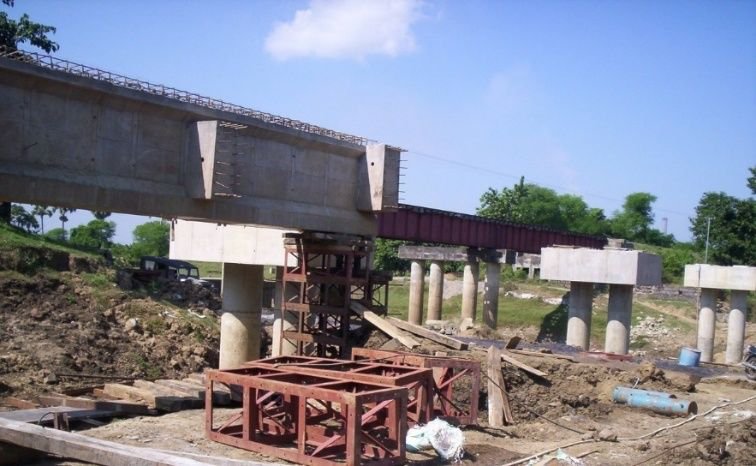
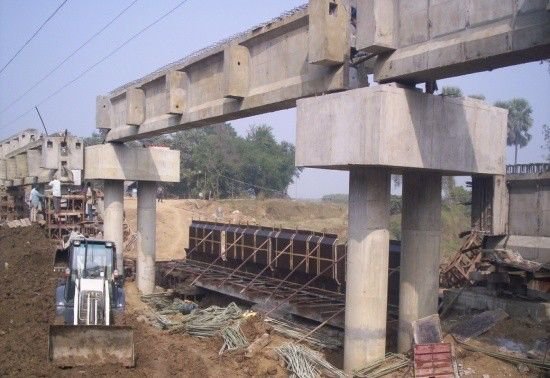
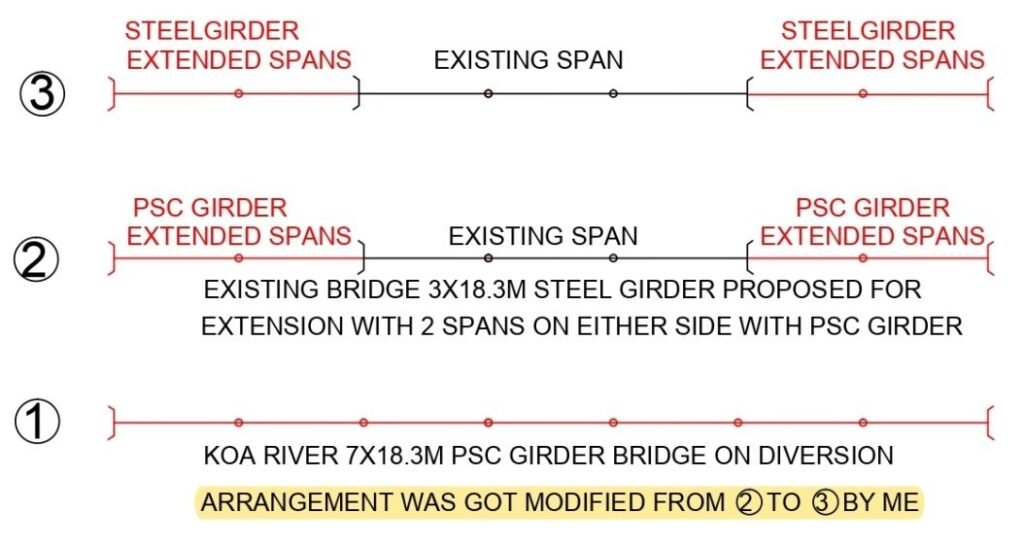
As part of the diverted alignment, a seven-span bridge was constructed to traverse the Koa River, while on the existing alignment the three-span steel girder bridge (3×18.3 m) was extended by two spans on either side, ensuring uniformity of waterway across both structures.

The 7×18.3 m bridge on the diversion was executed first. Its foundations comprised bored cast-in-situ piles of 1,000 mm diameter, each to a depth of 18 m, constructed using the direct mud circulation method. A total of 78 piles were installed—groups of 12 piles supporting each abutment and groups of 9 piles supporting each pier—with M-35 grade concrete employed for pile construction. For the substructure and ancillary elements, M-30 grade concrete was adopted.

The superstructure consisted of post-tensioned, pre-stressed concrete (PSC) girders, designed to RDSO Standard Drawing No. B-10247 for MBG Loading-1987. The girders were cast in M-45 grade concrete, while the diaphragms and deck slabs utilised M-30 grade. The bridge was equipped with elastomeric bearings (600 mm × 550 mm × 91 mm), seismic restrainers, and a footpath on the deck, integrating both functional and safety features.

For pre-stressing, the Freyssinet (FPCC) system with multi-pull jacks was employed, with tendons stressed from both ends using 19T13 anchorage arrangements. The execution demanded precise alignment, rigorous quality assurance, and advanced construction methodology, culminating in a structure that embodied both engineering strength and construction finesse.

The Koa River Bridge today stands as a vital component of the MGR diversion works, symbolising the integration of innovative foundation engineering, state-of-the-art PSC technology, and robust project management in delivering resilient infrastructure for NTPC’s coal transport system.

Replacement of PSC Girders with Steel Girders in Extension of Existing Bridge

Two 20.0 m long service girders were originally proposed for procurement to facilitate their insertion on the existing MGR track during block periods at the locations of new openings for Bridge Nos. 17 F1 and 18 F1. These girders were intended to serve as relieving girders and would otherwise have remained as construction spares for NTPC’s future requirements.

It was proposed to procure 18.3 m Railway Standard Steel Girders in lieu of the service girders and utilize them in the extension of the existing bridge by substituting the proposed PSC girders on one side. Further, procurement of two additional spans of 18.3 m steel girders was suggested for use on the opposite side, thereby replacing all proposed PSC girders with steel girders. The proposal, accepted by RITES and NTPC, was implemented with the procurement of four spans of 18.3 m steel girders from the Railway Bridge Workshop, Northern Railway, Jalandhar.

This substitution ensured uniformity in girder type, simplified construction, and achieved economy. Consequently, the bridge on diversion remains a 7×18.3 m PSC girder bridge, while the existing bridge has been standardized as a 7×18.3 m steel girder bridge.


Diversion of KBJ Rail Track

The project involved diversion of the KBJ Railway Line, a passenger line of Eastern Railway (now East Central Railway), over a length of approximately 6.5 km near Shaktinagar Railway Station. The scope comprised construction of ten bridges, including four major bridges, earthwork in high embankment and cutting, pile foundations with 1.0 m diameter bored cast-in-situ piles involving rock drilling, and permanent way works. The work was awarded to RITES by Northern Coalfields Ltd. (NCL) on a turnkey basis.

This project represented the balance portion of works earlier partially executed by IRCON. The remaining works were taken up under my charge. Formation works were executed in accordance with RDSO guidelines, and works on Bridges Nos. 2, 3, 5, 6, 8, and 9 were initiated. Bridges Nos. 2, 3, 6, and 8 were completed. Bridge No. 5, a 12.2 m PSC girder bridge on pile foundation, had pile work completed on one abutment. Rails were also procured.

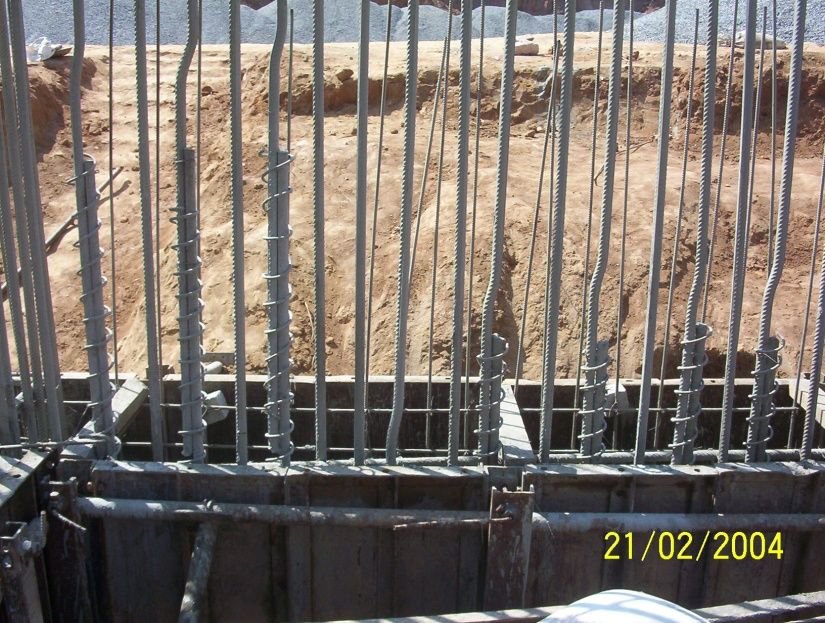
At several bridge locations, it was observed that reinforcing bars had been cut and removed by local villagers; these were subsequently extended through proper splicing in accordance with specifications. The assignment included day-to-day supervision, quality control, adherence to specifications, processing of claims, and certification of contractors’ bills. The work was executed during 2003–2004.

The site was subjected to intensive examination by the Central Technical Examiner’s (CTE) Organization of the Central Vigilance Commission. The CTE team appreciated the maintenance of site records, and after detailed correspondence, the case was closed with no adverse findings against any member of the RITES team. The contract, however, was foreclosed midway due to land acquisition constraints faced by NCL.

Upon resolution of these issues, Northern Coalfields Ltd. (NCL) once again approached RITES for completion of the balance works. RITES was re-engaged in September 2013 to provide Project Management Consultancy (PMC) services. Field works commenced in July 2014 and were completed in October 2015. As the section formed part of a passenger line, statutory clearance from the Commissioner of Railway Safety (CRS) was obtained, and the diverted line was commissioned and opened to traffic on 15.09.2018. The execution of this phase was undertaken by a different team of RITES.

Buildings of UPTI Project

This was a World Bank–aided project implemented by the Uttar Pradesh Technical Education Department (UPTED), Government of Uttar Pradesh. Out of the credit received from the World Bank, UPTED utilized a portion of the funds for the Upgradation of Technical Institutes (UPTI) across the state. Through its Directorate of Technical Education (DTE), UPTED identified existing polytechnics for upgradation and modification and proposed the construction of new polytechnics in various districts of Uttar Pradesh, including areas now part of Uttarakhand.

For implementation, RITES was engaged as Project Management Consultants (PMC) for the planning, procurement, and execution of works across nearly all districts. The assignment covered the complete spectrum of construction project management activities, including:

  • Preparation and World Bank approval of bidding documents and cost estimates
  • Tendering, evaluation, and contract finalization
  • Execution and supervision of works
  • Quality control and adherence to specifications
  • Certification of contractors’ bills and fund disbursement

To manage this extensive assignment, RITES established a dedicated Tender Cell at its Project Office, Nehru Place, New Delhi, for tender finalization and contract signing, and opened a new Project Office at Lucknow in 1990 for field-level construction management. Over time, approximately 60 project sites were successfully completed and financially closed by this office.

I served as Project Manager for two of the largest packages under this project, as detailed below:

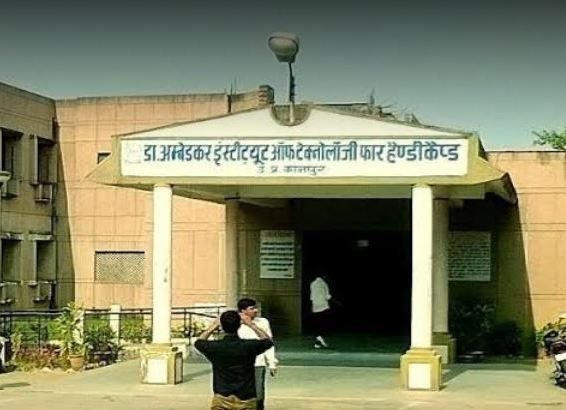
1. Construction Management of Dr. Ambedkar Institute of Technology for Handicapped (AITH), Kanpur

This assignment involved construction management of Dr. Ambedkar Institute of Technology for Handicapped (AITH), Kanpur, comprising RCC framed structures. The scope of work included construction of the institute building, hostel building, staff quarters, boundary wall, and internal road

To manage this extensive assignment, RITES established a dedicated Tender Cell at its Project Office, Nehru Place, New Delhi, for tender finalization and contract signing, and opened a new Project Office at Lucknow in 1990 for field-level construction management. Over time, approximately 60 project sites were successfully completed and financially closed by this office.

I served as Project Manager for two of the largest packages under this project, as detailed below:

1. Construction Management of Dr. Ambedkar Institute of Technology for Handicapped (AITH), Kanpur

This assignment involved construction management of Dr. Ambedkar Institute of Technology for Handicapped (AITH), Kanpur, comprising RCC framed structures. The scope of work included construction of the institute building, hostel building, staff quarters, boundary wall, and internal roads.

The institute was designed specifically for students with physical disabilities, incorporating accessibility-oriented features such as vision panels in doors at eye level, grab bars along corridors and in toilets, elimination of steps or floor level differences, and RCC ramps for vertical circulation. These design provisions ensured barrier-free movement and ease of access throughout the campus.

I was responsible for overall construction management, including supervision, quality assurance, coordination with contractors, and ensuring adherence to schedule, design, and technical specifications.

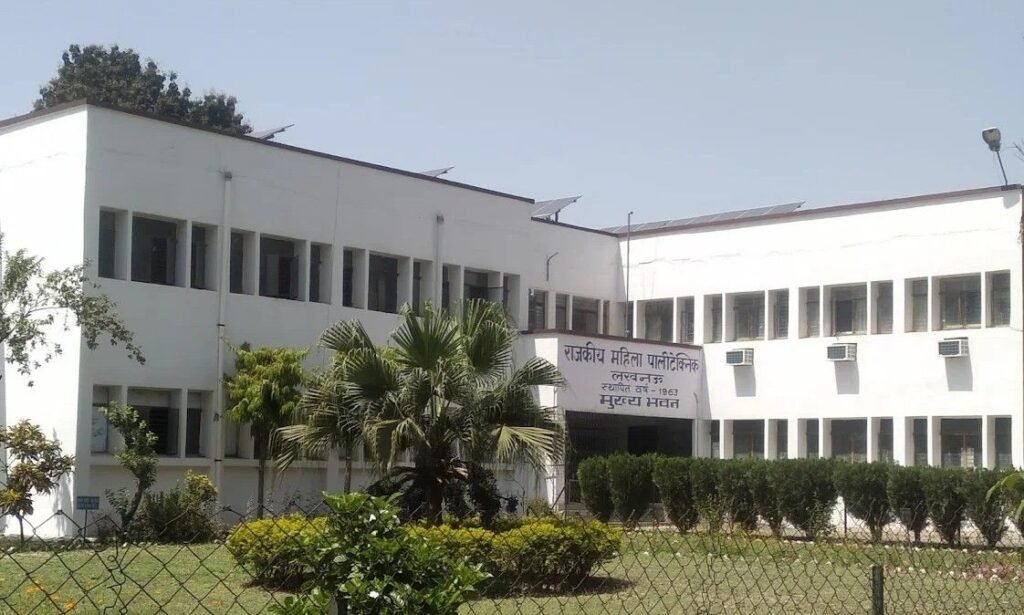
2. Construction Management of Government Girls’ Polytechnic (GGP), Lucknow

This assignment involved construction management of the Government Girls’ Polytechnic (GGP) at Lucknow, comprising RCC framed structures along with associated infrastructure. The scope covered construction of the institute building, hostel building, staff quarters, NCC block, boundary wall, internal roads, and services.

The work demanded strict quality control, coordination among multiple agencies, and close monitoring to ensure timely completion within approved cost and specifications. Responsibilities included day-to-day supervision, quality control, contractor management, and overall project coordination in line with RITES’ established PMC standards.

Buildings of UPFD Project

This was a World Bank–aided project implemented by the Uttar Pradesh Forest Department (UPFD), Government of Uttar Pradesh, under the Social Forestry Project. Out of the credit received from the World Bank, UPFD allocated a portion of the funds for the construction of new institutional buildings, including State Forest Research Institutes (SFRI),Forest Training Institutes (FTI), and Forest Guard Training Schools (FTS) at various locations across Uttar Pradesh, part of which now lies in Uttarakhand.

For implementation, RITES was engaged as Project Management Consultants (PMC) for the planning, procurement, and execution of these works. The assignment encompassed the entire range of project management functions — preparation of cost estimates, bidding documents and their approval from the World Bank, invitation and evaluation of bids, recommendation of contract awards, supervision of works, quality control, certification of contractors’ bills, and recommendation of payments for release by UPFD.

The following major works were handled under this assignment:

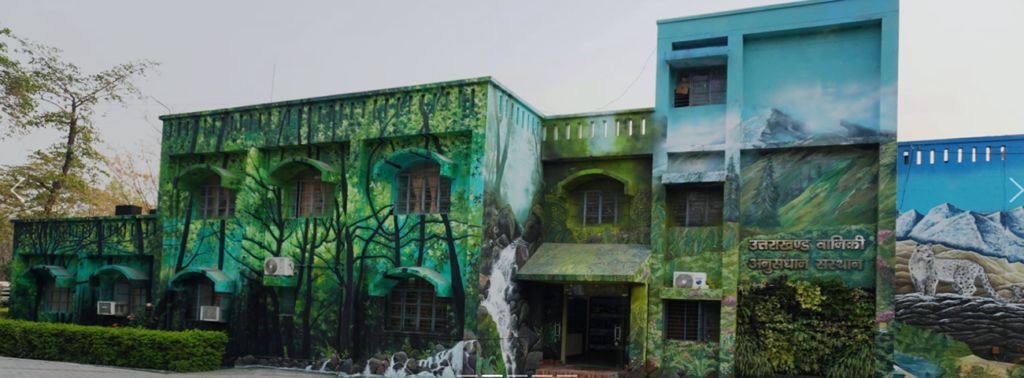
  • Project management for construction of Main Building and Road works for SFRI, Haldwani (presently known as Uttarakhand Forest Research Institute)
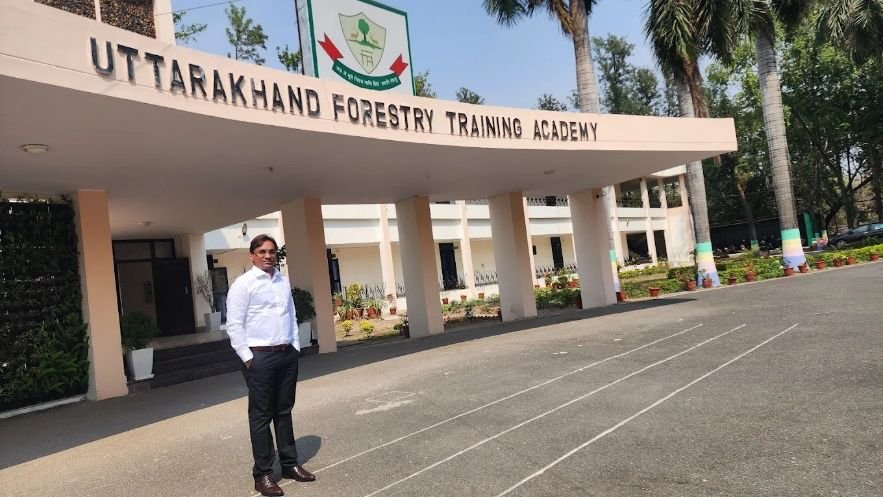
  • Project management for construction of Main Building and Road works for FTI, Haldwani (presently known as Uttarakhand Forestry Training Academy) 
  • Project management for construction of Building and Road works for FTS, Jaity, Almora

Each of these assignments involved comprehensive construction supervision, quality control, and coordination with multiple stakeholders, ensuring adherence to World Bank guidelines and completion within approved cost and time schedules.

Improvement of Track Geometry

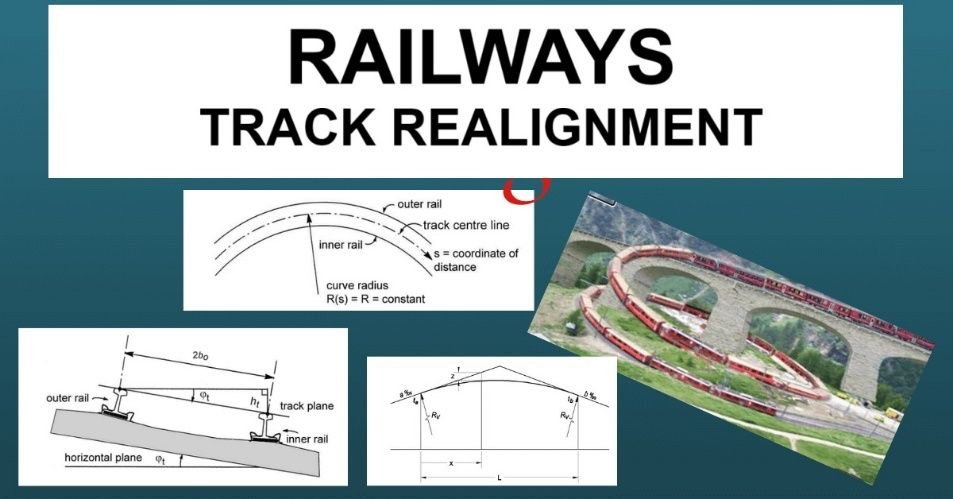
This assignment was undertaken during my initial tenure in RITES in 1991–1992. Though relatively small and part-time, it was a technically challenging and significant assignment directly monitored by the Managing Director of RITES. I handled this work along with my primary responsibilities in the RITES Tender Cell, New Delhi, by making frequent site visits over a period of 6–7 months.

The site, located in the Mangalmurhi–Usra–Jakot (MUJ) section of Ratlam Division, Western Railway, experienced frequent derailments of empty wagons — up to six per month — due to poor track geometry on curved sections. RITES was tasked with investigating and recommending remedial measures. A pilot project covering a 12 km stretch was entrusted to RITES for improvement of track geometry.

The work involved correction of versines and vertical curves, redesign and blending of horizontal curves, and precise field implementation through slewing and lifting/lowering of track. The redesigned alignment, prepared under the personal direction of the Managing Director, was executed successfully, resulting in substantial improvement and complete elimination of derailments over a prolonged period. The work was appreciated by Western Railway, and the success was credited to RITES’ technical initiative and leadership.

Production Building for Hindustan Cables Limited

This work was executed for M/s Hindustan Cables Limited (HCL) as part of their Fibre Optics Project at Naini, Allahabad. I was responsible for the construction management of the Main Production Building, which comprised RCC portal frame structures with a pitched roof configuration.

The project demanded precision in structural execution and close coordination with design and industrial layout requirements. The work was successfully completed during 1988–1989, while I was associated with National Industrial Development Corporation (NIDC).

Hardstand for Steel Authority of India Limited

This assignment was executed for M/s Steel Authority of India Limited (SAIL) during my tenure with National Industrial Development Corporation (NIDC). The work involved providing construction management services for the modernization of SAIL’s stockyard at Ghaziabad.

The scope of work included construction of a hardstand area of approximately 90,000 sqm, comprising Water Bound Macadam (WBM), Dense Bituminous Macadam (DBM), and Dense Asphaltic Concrete (DAC) layers. The project required meticulous quality control and supervision to ensure durable pavement performance suitable for heavy industrial loading conditions.

Tendering

Upon my initial joining in RITES in August 1991, I was associated with the Tender Cell under the Construction Management Division at Nehru Place, New Delhi, for about two years. The Tender Cell primarily dealt with tenders for the Upgradation of Technical Institutes (UPTI) Project in Uttar Pradesh — a World Bank–aided assignment. My responsibilities included preparation of bid documents and securing World Bank approvals, invitation of bids, bid opening, preparation of comparative statements, and bid evaluation leading to award recommendations.

Subsequently, I have been extensively involved in tendering activities for major Railway and Infrastructure Projects, including:

  • NTPC Meja Siding Project
  • Three packages of NTPC Kahalgaon Project
  • Three tenders for UPRVUNL Harduaganj Project
  • BPCL Bina and BORL Bina Projects

I also served as In-Charge of the Tender Cell at the RITES Regional Project Office, Lucknow, for a considerable period. My role covered the entire tendering process — from preparation of cost estimates, tender documentation, and invitation of bids, to bid opening, evaluation, preparation of briefing notes, recommendation of acceptance, and award of contracts.

In later assignments, I have successfully handled all phases of e-tendering, including works, supplies, and service contracts, ensuring transparency, compliance, and timely finalization of procurements.

DPRs and Studies

1. Railway Siding for Meja Thermal Power Plant, Allahabad

Preparation of Detailed Project Report (DPR), detailed engineering, and construction supervision of the Railway Siding for Meja Thermal Power Plant of Meja Urja Nigam (P) Ltd., Allahabad. The project involved approximately 60 km of track, including two major rail flyovers — one Rail Over Rail (ROR) bridge crossing Indian Railways and the proposed DFC alignment, and another 2 km long viaduct flying over the DFC. The assignment included coordination with North Central Railway (NCR) for approvals at all stages — ESP, OHE, and S&T drawings. The project was awarded to RITES in July 2012, with field works commencing in November 2013 and successfully completed thereafter.

2. Concept Report for Jawaharpur Vidyut Utpadan Nigam Ltd., Malawan (Etah District)

Consultancy services for preparation of a Concept Report for development of rail infrastructure for coal transportation from mine-end loading points to the serving station for the 2×660 MW Jawaharpur Thermal Power Project of Jawaharpur Vidyut Utpadan Nigam Ltd. The concept report and layout plan were submitted to North Central Railway in April 2012.

3. DPR for Bara Thermal Power Plant, Allahabad

Preparation of DPR and detailed engineering for the construction of rail infrastructure facilities for Bara Thermal Power Plant of Prayagraj Power Generation Co. Ltd. (PPGCL) at Bara, Allahabad. The assignment was entrusted to RITES in September 2010, and the DPR was finalized in June 2011.

4. Preliminary Reports for Bara and Karchhana Thermal Power Projects

Consultancy services for preparation of Preliminary Reports for development of rail infrastructure for coal transportation from mine-end loading points to serving stations for:

  • 3×660 MW Prayagraj Power Generation Co. Ltd., Bara, Allahabad
  • 2×660 MW Sangam Power Generation Co. Ltd., Karchhana, Allahabad

Both reports were prepared for Uttar Pradesh Power Corporation Ltd. (UPPCL) and submitted in March 2008.

How I work on projects

As a Project Manager with extensive experience in Railway Infrastructure projects, I approach each assignment through a comprehensive and methodical framework built on four key pillars — Strategy, Design, Development, and Quality Check. This structured process enables me to manage complex engineering challenges effectively, ensuring that every project is executed with precision, efficiency, and long-term value.

Strategy

Strategy

Design

Design

Development

Development

Quality check

Quality check

Through this disciplined and integrated methodology, I have successfully delivered complex railway infrastructure projects involving viaducts, bridges, stations, depots, and track systems. My working philosophy combines strategic foresight, technical precision, and field-oriented leadership to create infrastructure that stands the test of time and serves as a benchmark in engineering excellence.